
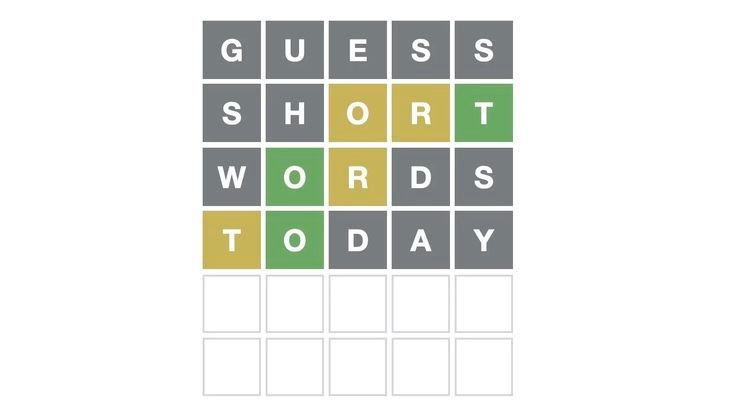
Wordle, the viral word puzzle acquired by the New York Times, has captivated millions with its simple yet engaging gameplay. Players are challenged to solve a five-letter word in six tries.
Selecting the best starting word is crucial to improve your chances of winning and maintaining that coveted streak. This guide explores various strategies and recommendations to help you choose the ideal opener and enhance your Wordle strategy.
Understanding Wordle and Its Mechanics
What is Wordle?
Wordle is a daily word game where players guess a five-letter word. After each guess, the game provides feedback in the form of colored tiles.
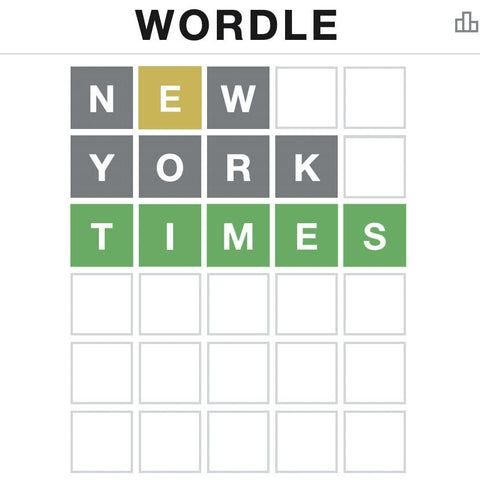
A green tile indicates a correct letter in the correct position, a yellow tile means the letter is in the word but in the wrong position, and a gray tile indicates the letter is not in the word at all. The objective is to use these clues efficiently to narrow down the possible solutions and solve the puzzle in as few guesses as possible.
How Wordle Works
The game operates on a daily word of the day, chosen from a dictionary of possible five-letter words. Each player gets six tries to guess the word. The feedback provided after each guess – the green and yellow squares – helps players refine their subsequent Wordle guesses.
Careful consideration of letter placement and frequency is key to success. Some players even employ different game modes, like hard mode, to challenge themselves further. These game modes can alter the way Wordle players consider their starter.
The Importance of Starting Words
The starting word is arguably the most critical guess in Wordle. A well-chosen best starting word can significantly narrow down the possible solutions, setting the stage for a higher success rate.
The best Wordle starting word incorporates common letters and common consonants to maximize the information gained from the first guess. A strategic choice increases the likelihood of identifying yellow or green letters early on, leading to a more efficient solve. Selecting the best Wordle can set you on the path to winning.
What are the best starting words for Wordle

Criteria for Choosing the Best Starting Word
When selecting the best starting word for Wordle, several criteria should be considered. A good start Wordle strategy should include words with high letter frequency, especially common vowels and common consonants.
The ideal starter includes a variety of common letters to maximize the chance of revealing yellow or green tiles on the first guess. Another factor is to avoid repeat letters in your initial guess, as this allows you to test more unique letters and gather more comprehensive information about the five-letter word. This word strategy is key for Wordle players looking to improve their game.
Top Recommended Starting Words
Many Wordle players swear by specific words to start their game. Some popular choices include “CRANE,” “ADIEU,” and “AUDIO.” These words contain multiple vowels and common consonants, offering a balanced approach to uncovering letters.
The New York Times and various Wordle strategy guides often recommend these words due to their high success rate in revealing important letters early on. Other contenders include “TEARS” and “NOTES,” which are favored for their combination of common letters. Ultimately, the best Wordle starting word depends on personal preference and play the game strategy.
Analyzing the Best Wordle Starting Word
The quest for the best Wordle starting word has led to various analyses and statistical evaluations. Grant Sanderson, a popular YouTuber, has explored this topic, using math and algorithms to determine which words statistically perform better.
Barry Smyth, another prominent figure in the analytical Wordle community, has also contributed valuable insights. These analyses often involve calculating the frequency of letters in the English language and determining which five-letter words maximize the likelihood of revealing yellow or green squares in the first guess. It is a puzzle to determine the best strategy to solve Wordle.
For instance, one analysis showed that starting with “SALET” can lead to solving the puzzle in an average of 3.66 rounds, while starting with “TRACE” results in approximately 3.68 rounds, showcasing the subtle but measurable differences in word choices.
Some players even adopt a two words approach, using their second word to target the most frequent letters not present in their initial guess. The objective is to narrow down the possible solutions efficiently.
Remember, the best starting word is subjective, but informed choices can improve your chances of winning and maintaining that Wordle streak. Many think that it is a successful Wordle strategy to choose an opener that contains as many common letters as possible.
Ultimately, whether you prefer to start with “ADIEU,” “CRANE,” or another word, understanding the underlying principles of letter frequency and combination will enhance your Wordle experience. Experiment with different words and strategies to find what works best for you, and remember to have fun while solving the daily word puzzle. By considering all these factors, you can choose the ideal start Wordle word and increase your higher success rate. So, before you try the start Wordle puzzle today, choose your word wisely and enjoy the game!
Effective Word Strategies in Wordle
Using Frequency Analysis for Guesses
To enhance your Wordle strategy, it’s crucial to delve into frequency analysis. This method involves prioritizing words with the most common letters in the English language. For example, vowels like ‘A’ and ‘E’ frequently appear, as do common consonants such as ‘T,’ ‘N,’ and ‘S.’
By incorporating these letters into your first guess, you maximize the chances of revealing yellow or green tiles, thereby narrowing down the possible solutions early in the game. The objective is to play the game with the best word to start.
Mathematical Approaches to Wordle Strategies
Mathematical approaches to Wordle involve using algorithms and statistical analysis to determine the best Wordle starting word. Figures like Grant Sanderson and Barry Smyth have applied math to calculate which words yield the most information on the first guess.
This often involves analyzing letter frequency and combinations to determine the ideal starting word. The use of such strategies can lead to a higher success rate, offering players a more efficient approach to solving the daily puzzle and increase their winning percentage. By utilizing these tools, players are more likely to solve and try to solve the word.
Developing a Personal Word Strategy
Developing a personal word strategy is essential for consistent success in Wordle. This involves experimenting with different best starting words and analyzing the outcomes. Consider words that combine common letters and vowels but also allow for varied letter combinations.
Some players prefer words like “CRANE” because they contain multiple common letters, while others opt for words like “ADIEU” to quickly identify vowels. The key is to find a best Wordle starting word that aligns with your play style and helps you efficiently narrow down the possible solutions. By choose wisely, players can increase the likelihood of solving the Wordle puzzle.
How to Choose a Second Word
When to Use a Second Word
The strategic use of a second word can significantly impact your Wordle performance. After the first guess, analyze the feedback. If your first guess yields few or no yellow or green tiles, it may be wise to use your second word to target entirely new letters, focusing on common letters not yet tried.
This approach is particularly valuable when playing in hard mode, where you must use the revealed letters in subsequent guesses. Many times, it is most efficient to use two words to determine the right letter.
Best Practices for Second Guesses
The best practices for second guesses involve a strategic approach to maximize information. Avoid repeating letters from your first word unless they are confirmed to be in the solution but in the wrong position. Instead, focus on incorporating additional common letters and vowels that were not present in your initial guess.
By broadening the range of tested letters, you increase the likelihood of revealing more yellow or green tiles, effectively narrowing down the possible five-letter word. Using a well-thought-out word strategy, with the help of the New York Times, is the best plan of attack.
Common Pitfalls to Avoid
Several common pitfalls can hinder your success when choosing a second word. One frequent mistake is repeating letters that have already been eliminated. Another is focusing on obscure or uncommon words, which are less likely to be the word of the day.
Instead, stick to common words and be mindful of letter frequency in the English language. Additionally, avoid making impulsive guesses without carefully considering the feedback from your first attempt. It’s better to choose a best word that works strategically with the information you have been given.
Conclusion: Mastering Wordle through Strategy
Recap of Best Practices
To truly master Wordle, consider these best practices. Always begin with a strategically chosen best starting word, ideally one rich in common letters and multiple vowels to maximize your initial information gain.
Utilize frequency analysis to prioritize guesses that incorporate the most frequent letters in the English language. Be mindful of the feedback from each guess, and strategically adapt your approach, avoiding letters that have already been ruled out. By following these guidelines, Wordle players can significantly improve their chances of solve the daily puzzle and increase their winning percentage.
Final Thoughts on Wordle Strategies
In conclusion, while there’s no single “best word” for Wordle, a combination of strategic thinking, understanding of letter frequency, and adaptability can greatly enhance your play the game strategy. Experiment with different starting words like “CRANE” or other common letters to find what works best for you, and always analyze the feedback from each guess to narrow down the possible five-letter word.
The New York Times and other sources are filled with great ideas. Whether you favor a mathematical approach or a more intuitive method, the key is to enjoy the puzzle and celebrate each hard mode success.
Further Resources for Wordle Enthusiasts
For those seeking to further refine their Wordle skills, numerous resources are available. Explore online Wordle strategy guides from sources like the New York Times, which often provide insights into optimal starting word choices and effective guessing strategies.
Follow analytical minds like Grant Sanderson and Barry Smyth, who delve into the math behind Wordle to calculate the most informative guesses. Also, engage with the Wordle community on platforms to exchange strategies, tips, and experiences, fostering continuous improvement and a deeper understanding of the game’s nuances. You can also find strategies for the start Wordle words on Twitter.
FAQs
What are the best 3 starting words for Wordle?
The best three starting words for Wordle are ADIEU, AUDIO, and CRANE. These words include multiple vowels and common consonants, helping reveal more correct letters in the first guess.
What’s the best 5-letter word to start Wordle?
CRANE is widely considered the best 5-letter starting word because it uses common letters and a balanced vowel-consonant mix, improving early puzzle insight.
What are the best beginning words for Wordle?
The best beginning words for Wordle are CRANE, SLATE, and TEARS. These words maximize letter frequency and help quickly narrow possible solutions.
What are the best first words for Wordle?
Popular first words for Wordle include AUDIO, CRANE, and SLATE. They contain common vowels and letters that increase the chance of early correct hits.
What is the best starter word for Wordle?
The best starter word for Wordle is CRANE due to its high-frequency letters and effective vowel placement, making it ideal for gathering early clues.